Our Programs and Age Groups
Each of our programs is led by qualified educators and designed around the developmental needs of the children it serves — from infants taking their first steps to Pre-K children stepping confidently toward kindergarten.
Infant Program
 Bunnies
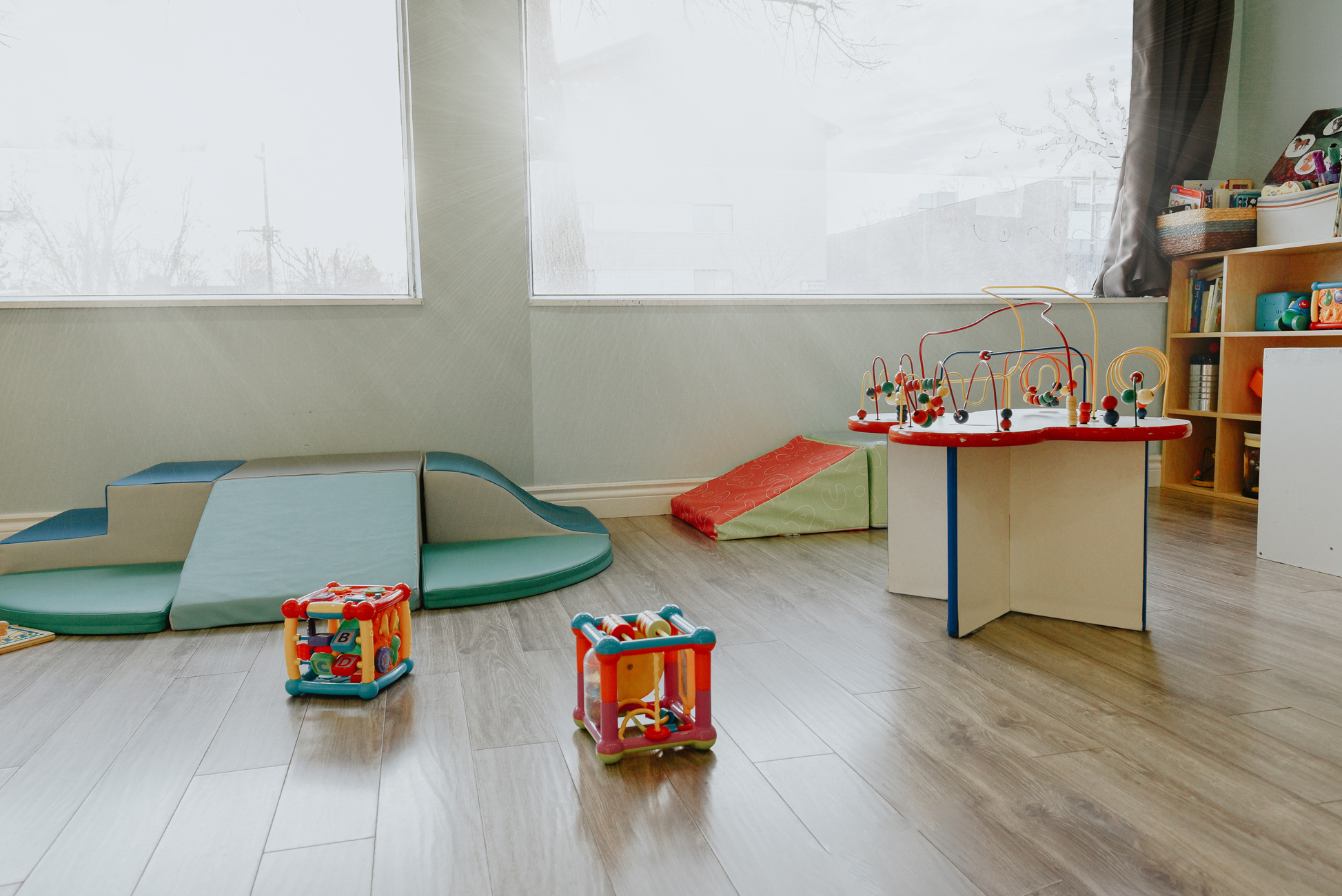
Our Infant Program is designed to provide a warm, nurturing, and responsive environment where our youngest children feel safe, loved, and secure. At this stage, relationships are at the heart of learning, and our educators focus on building strong, trusting bonds with each child while maintaining close communication with families to ensure consistency between home and daycare. Through gentle routines, sensory exploration, music, movement, and guided play, infants are supported in reaching important developmental milestones at their own pace. We honour each child's emerging identity by responding to their individual needs, cues, and rhythms, while encouraging early exploration of their environment in a safe and engaging way.
Junior Program
 Chipmunks
 Raccoons
 Bears
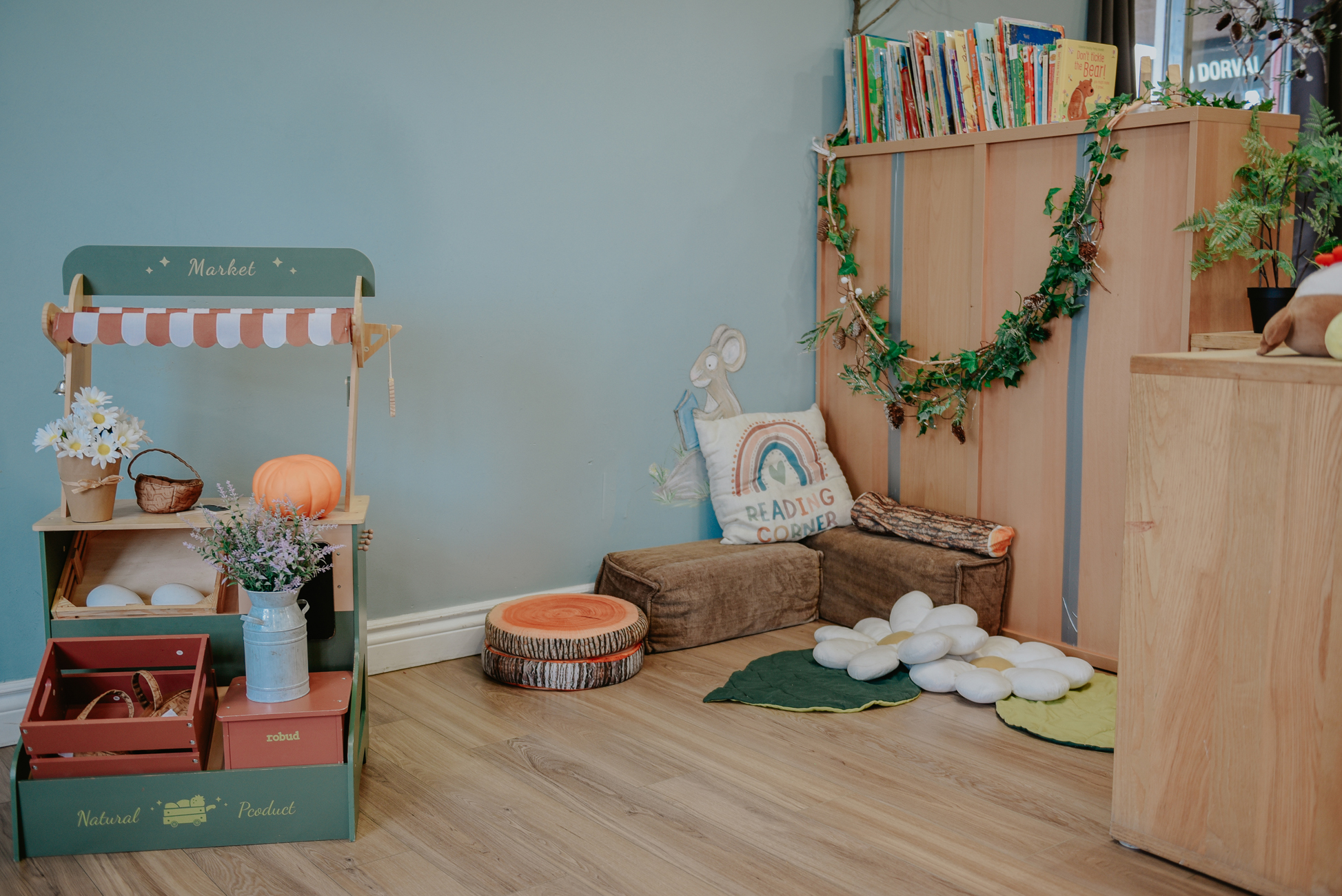
BearsOur Junior Program supports children during an exciting period of rapid growth, as language, independence, and social awareness begin to flourish. This age group spans several classrooms based on both age and developmental milestones, allowing each child to learn and grow in an environment that is well-suited to their stage. Through a balance of structured and child-led play, our educators encourage exploration, communication, and the development of early social skills such as sharing, cooperation, and self-expression. In close partnership with families, we support important transitions — such as language development and toilet learning — at a pace that respects each child's readiness.
Senior Program
 Porcupines
 Wolves
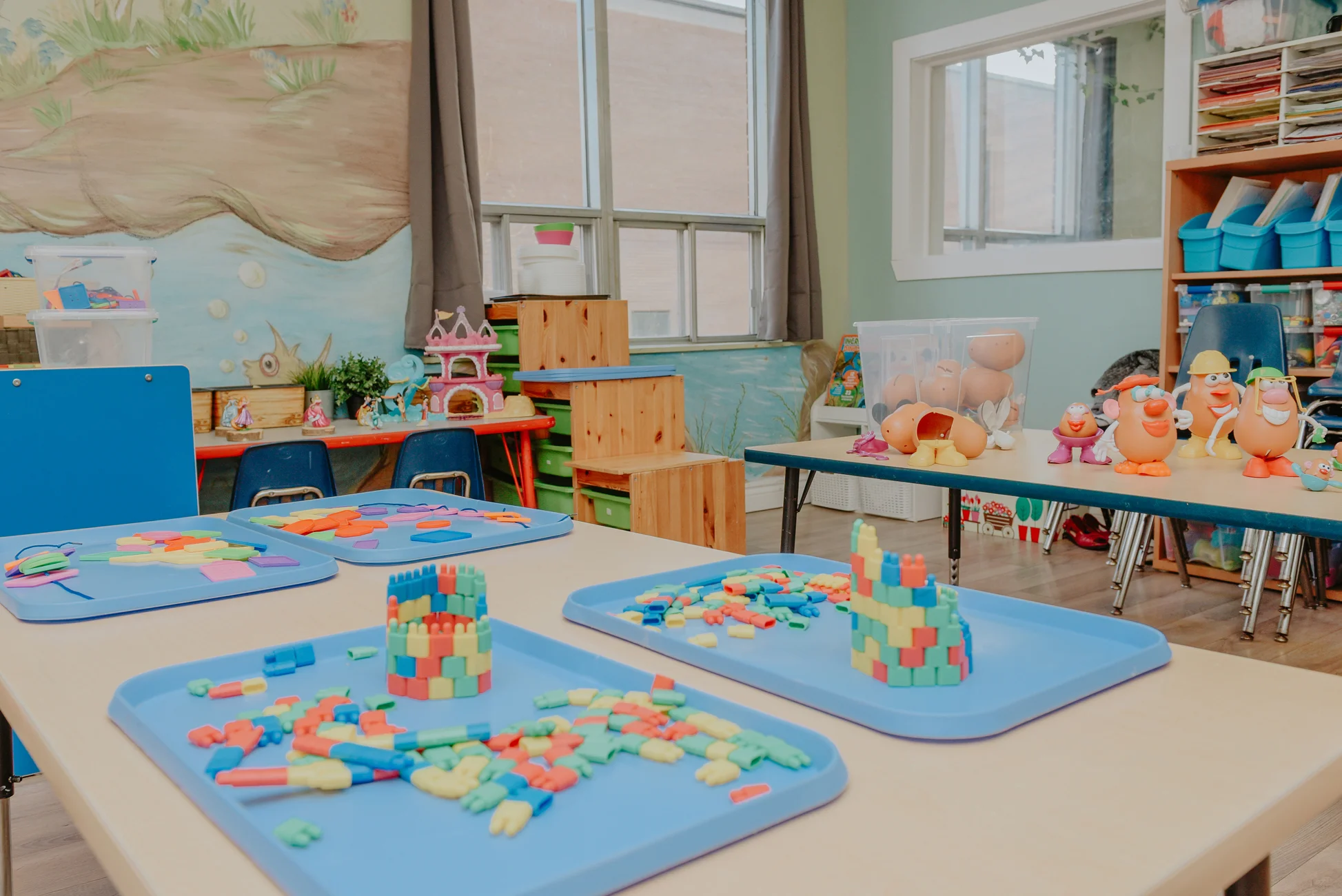
Our Senior Program supports children as they grow into confident, independent learners with a deeper awareness of themselves and the world around them. Classrooms are organized based on age and developmental readiness. At this stage they are eager to take on new challenges, express their ideas, and deepen their understanding through more complex play. Our educators offer a balance of structured learning experiences and open-ended exploration that encourages creativity, problem-solving, and critical thinking — while gently preparing each child for the transition into our Pre-K program.
Pre-K Program
 Explorers
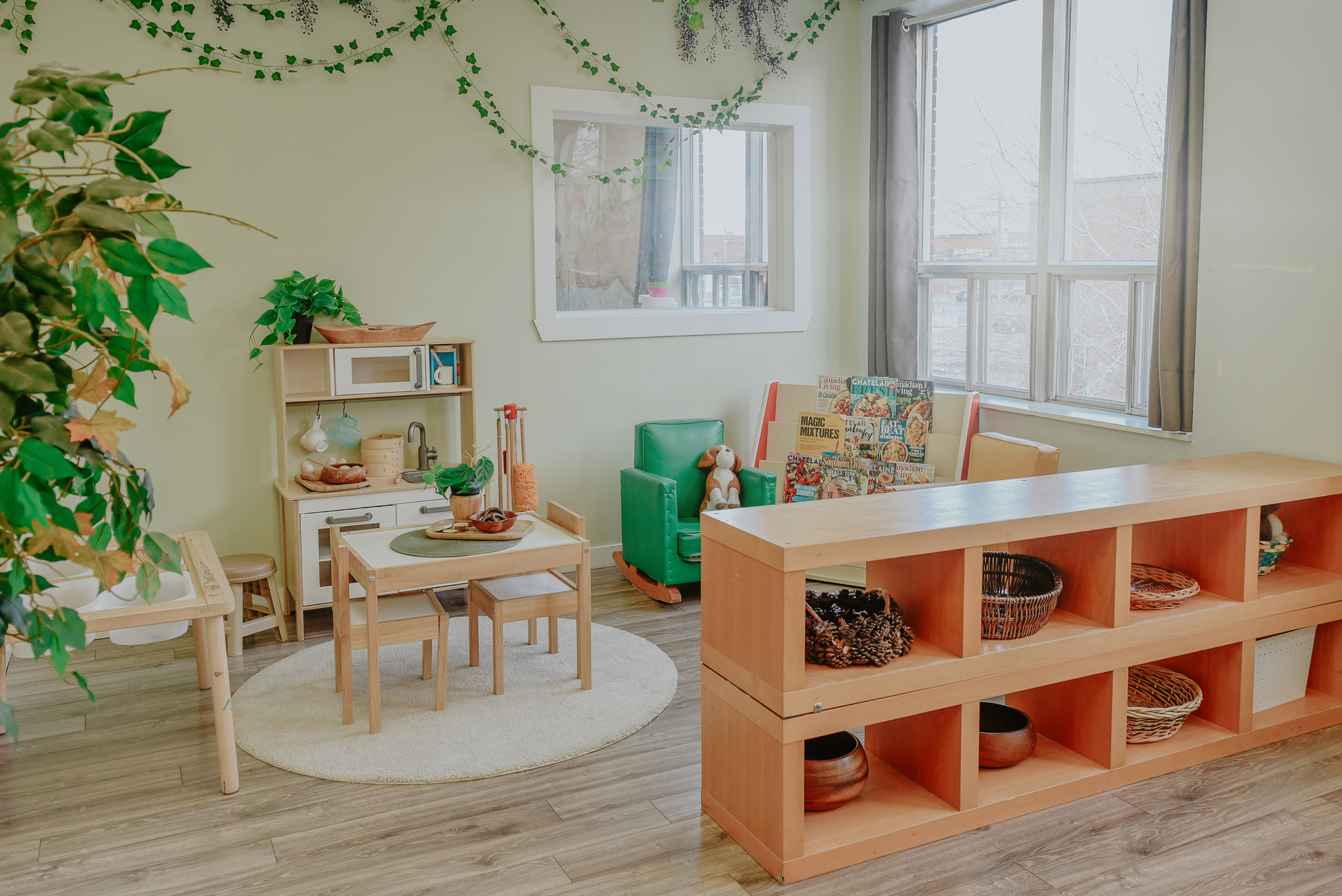
Our Pre-K Program is thoughtfully designed to prepare children for a smooth and confident transition to Kindergarten, while fostering a genuine love of learning. Led by a certified Elementary School Teacher and supported by an experienced team, the program offers a rich learning environment that develops early literacy, mathematical thinking, and problem-solving in a way that is purposeful and enjoyable. Using natural, open-ended materials and thoughtfully arranged learning spaces, children are encouraged to explore, ask questions, and seek answers with confidence. As part of our daycare setting, families benefit from familiar routines, flexible scheduling, a full-time summer program, and strong relationships with educators and peers.
Educational File & Developmental Profile
We maintain an educational file for each child to support their development and our ongoing communication with families. Twice per year — by December 15 and June 15 — parents receive a Developmental Profile providing a periodic overview of their child's growth across four key domains. The profile is not a report card; it is a supportive, descriptive portrait of the child's experiences. Parents may request a meeting at any time to discuss it.
Physical & Motor Development
Children develop motor skills through active play and movement, refining coordination, balance, and strength while learning healthy habits and personal safety.
Cognitive Development
Children develop thinking skills as they explore the world — experimenting, asking questions, problem-solving, and being introduced to early concepts in math and science.
Language Development
Through conversations, stories, songs, and play, children expand their vocabulary, communicate ideas and feelings, and explore early literacy.
Social & Emotional Development
Children build relationships, learn to participate in group life, and grow in their ability to recognize, express and regulate their emotions — developing self-confidence and a strong sense of self.